

If you’re looking for a show-stopping, melt-in-your-mouth beef recipe, you’ve got to try this Smoked Beef Tenderloin Recipe. I absolutely love how this tenderloin comes out smoky, juicy, and bursting with fresh herbs and garlic flavor. When I first tried smoking a tenderloin, I honestly wasn’t sure if it would be worth the effort, but after discovering a few tricks along the way, it quickly became one of my favorite meals to prepare — and trust me, your family is going to go crazy for it too!
Why You’ll Love This Recipe
- Incredible Flavor: The combination of fresh rosemary, garlic, and smoked goodness creates a nuanced taste you won’t forget.
- Perfectly Juicy: Low and slow smoking locks in the juices, while the reverse sear gives you that mouthwatering crust.
- Impressive Yet Easy: It looks like a complex gourmet dish, but the steps are straightforward once you know the method.
- Adaptable: You can customize the rub or cooking wood to suit your taste or dietary preferences.

Ingredients You’ll Need
Picking simple, fresh ingredients makes this smoked beef tenderloin really shine. I always recommend investing in a high-quality beef tenderloin and fresh herbs for the best flavor. Let me break down why each ingredient matters.

- Beef Tenderloin: The star of the show, choose a center-cut tenderloin for consistency and even cooking.
- Olive Oil: Helps the rub stick to the meat and promotes a beautiful crust while searing.
- Kosher Salt: Essential for seasoning; it’s coarse enough to add texture without overpowering.
- Peppercorns: Freshly crushed gives a bold, aromatic bite compared to pre-ground pepper.
- Garlic: Using fresh garlic in the rub really elevates the savory flavors. If pressed for time, garlic powder can work, too.
- Fresh Rosemary Leaves: Fresh is best here to add that fragrant, herby kick that complements beef so well.
Variations
I love how versatile this smoked beef tenderloin recipe is. You can tweak the rub to add more punch or keep it simple. Over the years, I’ve played around with a few variations that really work well and keep things exciting.
- Spicy Kick: Adding a pinch of cayenne pepper to the rub gave it a nice subtle heat without overpowering the beef.
- Herb Mix: Sometimes I swap rosemary with thyme or add fresh oregano for a slightly different herbal profile.
- Smoking Woods: I’ve used applewood and hickory chunks with great results, each changing the flavor of the smoke slightly.
- Garlic Butter: Mixing the serving butter with a little lemon zest and parsley is a fresh twist that my guests always notice.
How to Make Smoked Beef Tenderloin Recipe
Step 1: Make a Flavorful Beef Rub
Start with peppercorns—if you don’t have a food processor, just toss them in a ziplock bag and whack them with a rolling pin until coarsely crushed. Then toss peppercorns, fresh garlic, and rosemary leaves into your food processor. Blitz it until the garlic is minced and everything’s combined but still coarse. Add kosher salt last and pulse a few times. This rub will coat the tenderloin in big bursts of flavor that really infuse the beef during smoking.
Step 2: Trim and Prepare Your Tenderloin
Trim any excess fat and silver skin from the tenderloin. I always focus on the center cut because it cooks evenly, but if you have a whole tenderloin, you can tie the ends to make it uniform. Rubbing the olive oil all over before applying the rub helps everything stick and gives you a lovely sear later on.
Step 3: Apply the Rub and Chill
Rub the tenderloin thoroughly with your beef rub, making sure every inch is coated. Then, wrap it tightly in plastic wrap and pop it in the fridge for 1-2 hours. I’ve found that this resting step lets the flavors really soak in and the meat relaxes, which helps with tenderness.
Step 4: Smoke It Low and Slow
Take the tenderloin out of the fridge and let it sit at room temperature while you preheat your smoker to 250°F. Place the meat on the smoker and cook it until the internal temp hits 120°F for a perfect medium rare. This usually takes 45 to 60 minutes, depending on your tenderloin’s size. Pro tip: I use a wireless probe thermometer so I don’t have to lift the smoker lid and lose heat.
Step 5: Reverse Sear for the Best Crust
Once the tenderloin hits its target temp, remove it and tent it with foil to rest. Crank your smoker or grill to 450°F to get it screaming hot. Then place the tenderloin back on for 2-3 minutes per side. Keep a close eye on it—you want to pull the meat off when it’s about 5-10 degrees below your desired doneness (around 125°F for medium rare). The residual heat while resting will bring it to a perfect finish at 130°F.
Step 6: Rest, Slice, and Serve
Wrap the tenderloin in foil and let it rest for 5 minutes. This stops all those precious juices from running out when you slice it. Don’t forget to drizzle the juices collected in the foil over your slices for an extra burst of flavor. Serving it with a dollop of garlic herb butter is my absolute favorite finishing touch — it’s the little thing that takes this smoked beef tenderloin over the top.
Pro Tips for Making Smoked Beef Tenderloin Recipe
- Don’t Skip the Rest: Resting the meat both after the rub and after cooking makes a huge difference in juiciness and flavor absorption.
- Temperature Control is Key: Using a reliable meat thermometer ensures you’ll nail the perfect doneness every single time.
- Reverse Sear Magic: Smoking low and slow first, then searing hot, gives you that tender interior with a glorious crust.
- Avoid Overcooking: Pull the meat off the heat slightly early because it will continue to cook while resting — this is a game-changer!
How to Serve Smoked Beef Tenderloin Recipe

Garnishes
I love topping sliced smoked tenderloin with a little freshly chopped parsley and a pat of garlic herb butter—this adds a gorgeous fresh pop and extra richness. Sometimes I sprinkle flaky sea salt on top just before serving to add a crunchy burst of flavor that works beautifully with the smoky notes.
Side Dishes
For sides, my go-to is roasted garlic mashed potatoes and grilled asparagus—it’s a classic combo that complements the smoky tenderloin perfectly. I’ve also had great success pairing it with a bright arugula salad dressed lightly with lemon and olive oil to cut through the richness.
Creative Ways to Present
One of my favorite presentation tricks is to slice the tenderloin into medallions and fan them out on a wooden cutting board for a rustic look. For special occasions, I’ve arranged the slices around roasted veggies and fresh herbs, drizzled with a balsamic reduction—the visual and flavor impact is always a hit!
Make Ahead and Storage
Storing Leftovers
I wrap leftover smoked tenderloin tightly in foil and store it in an airtight container in the fridge. It usually keeps beautifully for 3-4 days. When I reheat, I try not to overdo it to keep it juicy.
Freezing
If you have leftovers you want to save longer, freezing works well. I slice the meat first, then place portions in freezer bags with excess air removed and freeze for up to 2 months. Just be sure to thaw overnight in the fridge before reheating.
Reheating
To reheat, I prefer gently warming slices in a low oven (around 275°F) covered with foil to avoid drying. Alternatively, briefly searing slices in a hot pan with a little butter works well to revive that crust and flavor without overcooking.
FAQs
-
Can I smoke a whole beef tenderloin or do I have to use the center cut?
You can absolutely smoke the whole tenderloin, but the center cut is preferred for even cooking since the butt and tail are thinner. If you want to smoke the whole tenderloin, tying the ends with butcher’s twine helps keep the shape consistent and allows the meat to cook uniformly.
-
What’s the best wood to use for smoking beef tenderloin?
For smoked beef tenderloin, I recommend milder woods like applewood or cherry to enhance the beef’s natural flavor without overwhelming it. Hickory works too if you prefer a stronger smoky note, but keep it moderate to avoid bitterness.
-
How do I know when the smoked tenderloin is done?
The best way is to use an instant-read meat thermometer. For medium rare, pull the tenderloin at 120°F during the smoking phase, then finish with a reverse sear to reach around 130°F final temperature. Watching the temp closely prevents overcooking.
-
Can I prepare the rub ahead of time?
Definitely! The rub can be made a day in advance and stored in an airtight container. Just be sure to rub it onto the tenderloin just before chilling — this preserves the fresh garlic and rosemary flavors best.
Final Thoughts
This Smoked Beef Tenderloin Recipe is one of those dishes that feels like a special occasion even if it’s a regular Tuesday night. I love that it’s approachable, packed with flavor, and makes you look like a pro in the kitchen. Whenever I make this, friends and family always ask for seconds, and I’m pretty sure it’ll become your go-to recipe when you want to impress without stress. Give it a try, and don’t forget to grab a good thermometer—it’ll make all the difference!
Print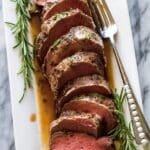
Smoked Beef Tenderloin Recipe
- Prep Time: 15 minutes
- Cook Time: 1 hour 30 minutes
- Total Time: 3 hours 45 minutes
- Yield: 6 servings 1x
- Category: Main Course
- Method: Smoking and Grilling
- Cuisine: American
Description
This Smoked Beef Tenderloin recipe delivers a perfectly tender, juicy roast with a flavorful herb and pepper rub. Utilizing a two-step cooking process of low-temperature smoking followed by a high-heat reverse sear, this method ensures an evenly cooked medium rare center with a beautifully browned crust. Ideal for special occasions, the beef is infused with rosemary, garlic, and freshly cracked peppercorns, complemented by a final rest with garlic herb butter for a rich finish.
Ingredients
Beef and Seasoning
- 3 pounds beef tenderloin (center cut)
- 1 Tablespoon olive oil
- 1 1/2 Tablespoons kosher salt
- 1 Tablespoon peppercorns
- 1 clove garlic
- 1 1/2 Tablespoon fresh rosemary leaves (only leaves)
Instructions
- Make the Beef Rub: In a food processor or blender, coarse grind the peppercorns. Add garlic and rosemary leaves and process until minced. Add kosher salt and pulse again to combine. If you don’t have a processor, crush peppercorns in a plastic bag with a rolling pin.
- Prepare the Tenderloin: Trim excess fat and silver skin carefully from the center-cut tenderloin. Remove the tail and butt ends if present; these can be saved for another use. The center cut is chosen for its uniform shape to ensure even cooking.
- Apply Oil and Rub: Rub the beef evenly with olive oil. Then sprinkle the prepared rub liberally and evenly over the entire tenderloin surface, pressing the seasoning lightly into the meat.
- Refrigerate: Tightly wrap the seasoned tenderloin in plastic wrap and refrigerate for 1 to 2 hours to allow flavors to meld and the rub to adhere.
- Bring to Room Temperature: Remove the tenderloin from the fridge and let it rest at room temperature while you preheat your smoker to 250°F.
- Smoke the Tenderloin: Place the tenderloin on the smoker and cook until the internal temperature reaches 120°F for medium rare, about 45 to 60 minutes. Using a temperature probe is recommended to monitor without opening the smoker door.
- Preheat Smoker for Searing: Remove the tenderloin and tent with foil. Increase the smoker or grill heat to 450°F or higher to prepare for reverse searing.
- Reverse Sear: Return the tenderloin to the hot grill grates and sear for 2 to 3 minutes per side. Remove the meat when 5 to 10 degrees below your desired doneness, approximately 125°F for medium rare, as it will continue to cook while resting.
- Rest and Serve: Wrap the tenderloin in aluminum foil and rest for 5 minutes. Save any juices that collect and drizzle over the sliced meat. Serve sliced with garlic herb butter for an extra burst of flavor.
Notes
- Substitutions: Use 1 Tablespoon coarse black pepper if peppercorns are unavailable. Substitute fresh rosemary with 1 1/2 teaspoons dried rosemary. Replace garlic clove with 2 teaspoons garlic powder or garlic paste.
- Meat Thermometer: An instant-read or probe thermometer is essential for perfect results and avoiding over or undercooking.
- Peppercorn Grinding Alternative: Without a food processor, place peppercorns in a plastic bag and crush with a rolling pin to achieve a coarse grind.
Nutrition
- Serving Size: 1/6 of recipe (about 8 oz cooked)
- Calories: 450
- Sugar: 0.5 g
- Sodium: 850 mg
- Fat: 28 g
- Saturated Fat: 11 g
- Unsaturated Fat: 14 g
- Trans Fat: 0.1 g
- Carbohydrates: 1 g
- Fiber: 0.3 g
- Protein: 42 g
- Cholesterol: 130 mg