If you’re craving something truly elegant yet perfectly approachable, you’re going to love this Rose Water Vanilla Layer Cake Recipe. It’s one of those cakes that combines classic vanilla comfort with a subtle, floral twist thanks to the rose water in the frosting. I absolutely love how this turns out – moist layers, heavenly aroma, and that delicate hint of rose that isn’t overpowering but just right. Trust me, once you try this, it’ll be your go-to for special occasions or anytime you want to impress without stress.
Why You’ll Love This Recipe
- Delicately Floral Flavor: The rose water in the buttercream adds a subtle, enchanting floral note that complements the vanilla perfectly.
- Moist, Tender Layers: The sour cream in the cake batter keeps each layer incredibly soft and moist without being dense.
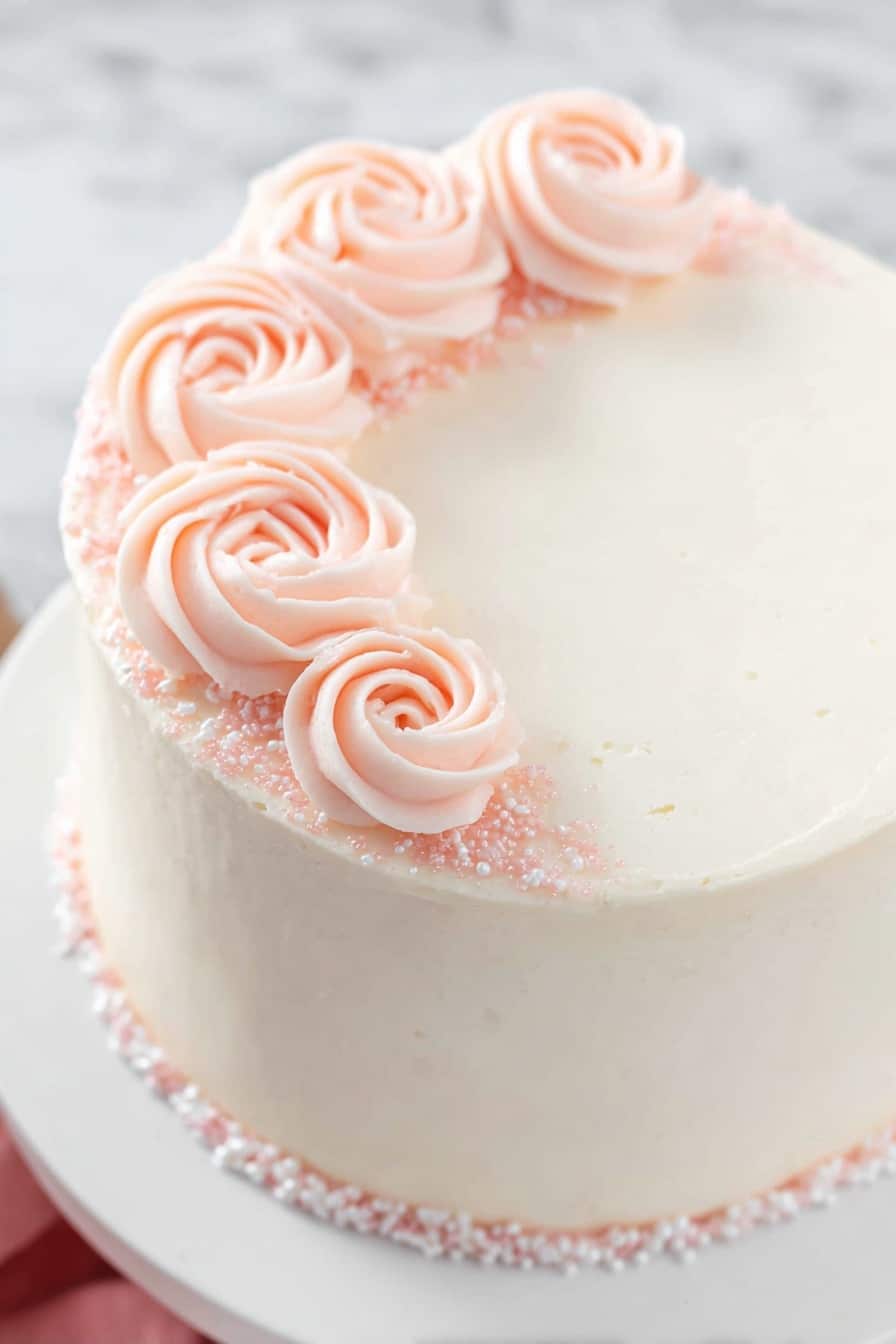
- Showstopping Presentation: The pink watercolor effect with rosette piping creates a stunning cake perfect for celebrations.
- Beginner-Friendly Technique: I break down every step so you can nail it even if you’re new to layer cakes.
Ingredients You’ll Need
Each ingredient in this Rose Water Vanilla Layer Cake Recipe plays an important role—from the butter for richness to the rose water for that signature floral aroma. When shopping, pick quality vanilla extract for the best flavor and make sure your butter and sour cream are room temperature for a smooth cake batter.
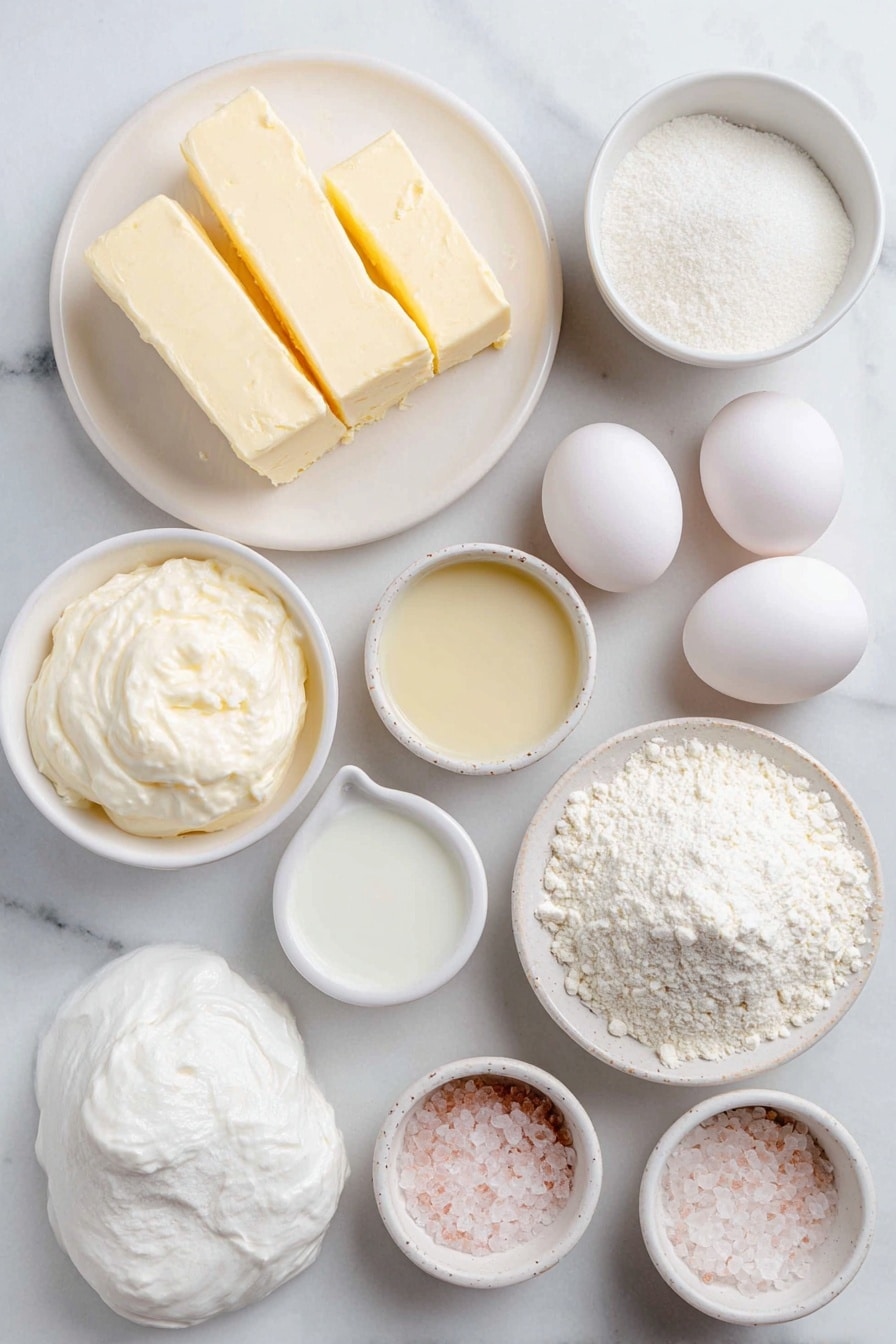
- Unsalted Butter: Room temperature butter creams up beautifully with sugar to create the perfect cake crumb.
- Sugar: Granulated sugar for sweetness and structure — don’t substitute with alternatives here or it changes the texture.
- Sour Cream: Adds moisture and a slight tang that balances the sweetness.
- Vanilla Extract: Be sure it’s pure vanilla, it elevates the entire cake.
- Egg Whites: Using whites only keeps the cake light and fluffy.
- All-Purpose Flour: The right amount creates tenderness without heaviness.
- Baking Powder: Helps the cake to rise nicely.
- Salt: Just a pinch to enhance all the flavors.
- Milk & Water (room temperature): Don’t skip bringing these to room temp — cold liquids can make the batter curdle.
- Salted Butter & Shortening (for frostings): Together they give the frosting stability and creaminess.
- Powdered Sugar: For that silky, sweet frosting texture.
- Rose Water: The star floral ingredient — a little goes a long way, so measure carefully.
- Ivory & Pink Icing Colors: To create that delicate watercolor effect on your cake.
- White Sparkling Sugar: Optional, adds a lovely shimmer on top of the rosettes.
Variations
I love that this Rose Water Vanilla Layer Cake Recipe is a great canvas for tweaks! Whether you want to dial up the floral notes or experiment with dietary needs, it’s super adaptable. Feel free to make it your own.
- Dairy-Free Version: I once swapped the butter with vegan margarine and coconut-based sour cream—still tasty, though a bit different in texture.
- Rose Water Intensity: For a more pronounced rose flavor, I added an extra half teaspoon, but be cautious—it can quickly become overpowering.
- Fruit Pairings: Adding a layer of raspberry jam or fresh berries between layers adds a tart burst that complements the rose.
- Alternative Frosting: If buttercream isn’t your thing, whipped cream with a hint of rose water works beautifully, especially in warm weather.
How to Make Rose Water Vanilla Layer Cake Recipe
Step 1: Prepare and Cream Your Base
Start by prepping three 8-inch cake pans—line the bottoms with parchment paper circles and grease the sides well. This helps the cakes come out cleanly without breaking. Set your oven to 350°F (176°C) so it’s nice and ready. When you cream the butter and sugar, give it the full 3-4 minutes until you see it lighten in color and get fluffy. I used to rush this part, but I discovered that taking the time here makes all the difference for that tender crumb.
Step 2: Incorporate the Eggs and Sour Cream
Add the sour cream and vanilla extract next, mixing until smooth. Then, mix in the egg whites in two batches, scraping down your bowl sides in between to keep everything well combined. Using egg whites only helps keep the layers light yet moist—something I didn’t realize until I tried whole eggs and felt the difference right away.
Step 3: Combine Dry and Wet Ingredients Carefully
Mix together the dry ingredients in a separate bowl. In another small cup, combine the milk and water—both should be at room temperature to avoid shocking the batter. Add half your dry mix to the wet batter and blend gently, then pour in the milk-water mix, followed by the rest of the dry ingredients. Scraping your bowl a few times keeps the texture consistent and avoids clumps. This step is where people often overmix, but stopping as soon as it’s well combined keeps your cake tender.
Step 4: Bake Perfect Layers
Divide your batter evenly across your pans to ensure even layers. Bake for about 21-23 minutes, checking with a toothpick—it should come out with a few moist crumbs but not wet batter. I found rotating the pans halfway helps bake evenly, especially if your oven has hot spots. Once out, let them cool in the pans for 2-3 minutes before transferring to a wire rack to cool completely.
Step 5: Whip Up the Rose Water Buttercream
Beat the salted butter and shortening together until smooth. Slowly incorporate half the powdered sugar, mix until silky, then add rose water, vanilla extract, and 4-5 tablespoons of water (or milk). After it’s smooth again, add the remaining powdered sugar, adjusting the consistency with more water if necessary. Tint the frosting ivory first, saving the pink for later. I once underestimated the power of rose water here, so start with a tablespoon and adjust next time based on your taste.
Step 6: Assemble and Decorate
Trim the cake domes with a serrated knife so your layers stack flat and sturdy. Place the first cake on your stand or plate, spread about a cup of the ivory rose water frosting evenly, then repeat with the second layer. Stack the last and frost the outside smoothly. Tint the leftover frosting pink and use an offset spatula to apply a thin watercolor wash on the outside. I like applying a layer, then scraping off the excess for a soft effect that’s not too pink. Pipe pink rosettes around the top with a piping tip of your choice—I used Ateco 844 for a lush look—and finish by sprinkling some sparkling sugar for that little extra sparkle.
Pro Tips for Making Rose Water Vanilla Layer Cake Recipe
- Cream Butter Thoroughly: Don’t rush creaming butter and sugar—it creates a lighter structure that makes your cake so tender.
- Room Temperature Ingredients: Using room temp eggs, butter, milk, and water prevents your batter from curdling and ensures smooth mixing.
- Measure Rose Water Carefully: Too much can taste soapy—always start with a small amount and increase by taste if needed.
- Smooth Frosting Technique: An offset spatula and a crumb coat help achieve that clean look—don’t skip chilling between coats if you want perfection.
How to Serve Rose Water Vanilla Layer Cake Recipe
Garnishes
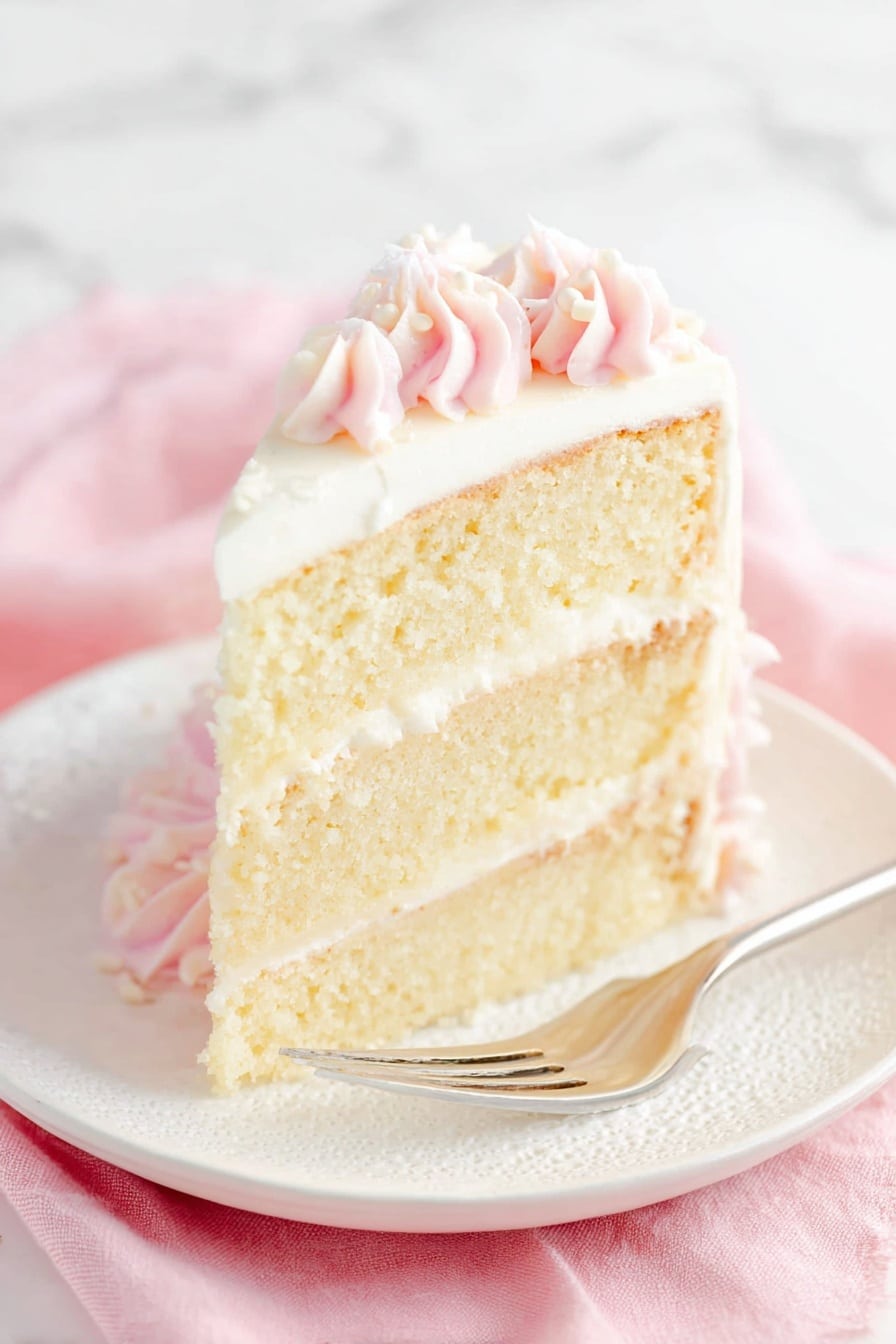
I usually keep it simple with sparkling sugar on top for a little shimmer, but fresh edible flowers or lightly crushed pistachios make beautiful, elegant garnishes too. It’s such a pretty cake that minimal garnishes let the delicate colors and rosettes shine.
Side Dishes
This cake pairs wonderfully with a light fruit salad or a fresh berry compote. I remember serving it alongside a cup of chamomile tea for a relaxing afternoon treat that everyone raved about—perfect balance of floral notes!
Creative Ways to Present
For parties, I love to add a few luxe touches—gold leaf flakes around the base or a drizzle of white chocolate on top adds a modern flair. If you want to get playful, piping some rose-shaped motifs on the sides can turn this cake into a stunning centerpiece.
Make Ahead and Storage
Storing Leftovers
I store leftover slices covered tightly in the fridge—they keep well for 3-4 days without drying out. To avoid the frosting absorbing other fridge smells, I place the cake in a cake keeper or wrap it gently with plastic wrap, being careful not to smoosh the decorations.
Freezing
This cake freezes beautifully! I like to freeze whole layers before assembly, wrapped in plastic and foil, then defrost them overnight in the fridge. You can also freeze a fully frosted cake, just seal it carefully. I learned that this helps when prepping ahead for events without losing texture or flavor.
Reheating
When reheating leftovers, just bring them to room temperature so the buttercream softens and flavors bloom. Avoid microwaving as it can melt the frosting and make the cake soggy—trust me, it’s worth being patient for that perfect slice.
FAQs
-
Can I use whole eggs instead of just egg whites for this cake?
While this recipe calls for egg whites only to keep the cake light and tender, you could experiment with whole eggs but expect a denser crumb and slightly different texture. If you do substitute, reduce the batter’s fat slightly to balance it out.
-
How much rose water should I add to the buttercream?
I recommend starting with 1 tablespoon as stated, because rose water is quite strong. You can always add a tiny bit more if you want a stronger flavor, but too much can turn bitter or soapy.
-
Can I make this cake gluten-free?
Yes! Swap the all-purpose flour for a high-quality gluten-free blend that’s intended for baking. You may want to add a binder like xanthan gum if your blend doesn’t include it, and expect a slightly different texture.
-
What’s the best way to get smooth frosting on this layer cake?
I find doing a crumb coat first works wonders—apply a thin layer of frosting, chill for 30 minutes until firm, then follow with a final coat. Use an offset spatula and a bench scraper for clean edges and a silky finish.
Final Thoughts
This Rose Water Vanilla Layer Cake Recipe holds a special place in my kitchen because it effortlessly blends something familiar and comforting with a touch of elegant flair. When friends and family have a slice, they always pause to savor that subtle rose aroma—it’s like a little moment of magic with every bite. I truly hope you give this one a try—you’ll enjoy both the process and the delicious result that feels fancy but is totally doable. Here’s to many joyful celebrations with this lovely cake!
Print
Rose Water Vanilla Layer Cake Recipe
- Prep Time: 45 minutes
- Cook Time: 23 minutes
- Total Time: 1 hour 8 minutes
- Yield: 12–14 slices 1x
- Category: Dessert
- Method: Baking
- Cuisine: American
- Diet: Vegetarian
Description
This Rose Water Vanilla Layer Cake is a beautifully delicate and fragrant dessert featuring moist vanilla cake layers paired with a luscious rose water buttercream frosting. Perfect for special occasions, this cake combines classic vanilla flavors with a subtle floral twist, finished with a soft pink watercolor effect and sparkling sugar embellishments.
Ingredients
Vanilla Cake:
- 3/4 cup (168g) unsalted butter, room temperature
- 1 1/2 cups (310g) sugar
- 3/4 cup (173g) sour cream, room temperature
- 1 tbsp vanilla extract
- 6 large egg whites, room temperature
- 2 1/2 cups (325g) all purpose flour
- 4 tsp baking powder
- 1/2 tsp salt
- 3/4 cup (180ml) milk, room temperature
- 1/4 cup (60ml) water, room temperature
Rose Water Buttercream:
- 1 1/2 cups (336g) salted butter
- 1 1/4 cups (237g) shortening
- 10 1/2 cups (1208g) powdered sugar
- 1 tbsp rose water
- 1 tsp vanilla extract
- 5–6 tbsp water or milk
- Ivory icing color
- Pink icing color
- White sparkling sugar
Instructions
- Prepare the Pans and Oven: Grease and line three 8-inch cake pans with parchment paper circles. Preheat the oven to 350°F (176°C) to ensure it’s ready for baking.
- Cream Butter and Sugar: In a large mixing bowl, beat the unsalted butter and sugar together until the mixture becomes light in color and fluffy, about 3-4 minutes. This aeration is crucial for a light cake texture.
- Add Sour Cream and Vanilla: Mix in the sour cream and vanilla extract until the batter is smooth and well combined, adding moisture and flavor.
- Incorporate Egg Whites: Add the egg whites in two batches, beating well after each addition. Scrape the bowl’s sides to ensure even mixing and a uniform batter.
- Combine Dry Ingredients and Liquid: In a separate bowl, sift together the all-purpose flour, baking powder, and salt. In a small measuring cup, mix the milk and water.
- Mix Dry Ingredients and Liquids into Batter: Add half of the dry ingredients to the batter and blend well. Pour in the milk-water mixture and mix again. Add the remaining dry ingredients and blend until smooth. Scrape down the bowl sides to fully incorporate all ingredients.
- Divide Batter and Bake: Evenly distribute the batter among the prepared pans. Bake in the preheated oven for 21-23 minutes or until a toothpick inserted in the center comes out with a few moist crumbs.
- Cool the Cakes: Remove cakes from the oven and allow them to cool in the pans for 2-3 minutes before transferring to wire racks to cool completely.
- Make the Buttercream: In a large bowl, beat the salted butter and shortening together until smooth and creamy.
- Add Powdered Sugar and Flavorings: Gradually mix in half the powdered sugar until smooth. Add rose water, vanilla extract, and 4-5 tablespoons of water or milk; continue beating to achieve smooth consistency.
- Complete Buttercream: Gradually add the remaining powdered sugar, mixing well, and add additional water or milk as needed for desired consistency.
- Color the Frosting: Tint the frosting with ivory icing color in preparation for applying to the cake.
- Level the Cakes: Using a large serrated knife, carefully trim the dome tops from each cake layer to create flat surfaces for stacking.
- Assemble the Cake Layers: Place the first cake layer on a serving plate or cake board. Spread about 1 cup of rose water buttercream evenly over the top. Repeat with the second layer and another cup of frosting.
- Frost the Cake: Place the final cake layer on top and cover the entire cake with a crumb coat of frosting. Chill if needed, then apply a smooth final layer of ivory-colored buttercream.
- Add Pink Watercolor Effect: Tint the remaining frosting pink and use an offset spatula to apply a thin, watercolor-like layer around the cake, smoothing and adjusting for an elegant finish.
- Decorate with Rosettes and Sparkling Sugar: Pipe rosettes around the top edge using a piping tip such as Ateco 844, Wilton 1M, or 2D. Sprinkle with white sparkling sugar for a delicate shimmer.
Notes
- Room temperature ingredients ensure proper mixing and a tender crumb.
- Do not skimp on creaming butter and sugar to achieve a light cake texture.
- Use fresh egg whites and beat them thoroughly into the batter for structure.
- Allow cakes to cool completely before frosting to prevent melting.
- Adjust the amount of water or milk in buttercream to achieve preferred consistency.
- Ivory and pink icing colors allow for a beautiful, subtle watercolor effect that is customizable.
- Serrated knife is best for leveling cakes without tearing.
- The recipe yields 12-14 slices depending on slicing size.
Nutrition
- Serving Size: 1 slice (estimated 1/14 of cake)
- Calories: 450
- Sugar: 40g
- Sodium: 160mg
- Fat: 25g
- Saturated Fat: 15g
- Unsaturated Fat: 8g
- Trans Fat: 0g
- Carbohydrates: 55g
- Fiber: 1g
- Protein: 4g
- Cholesterol: 70mg