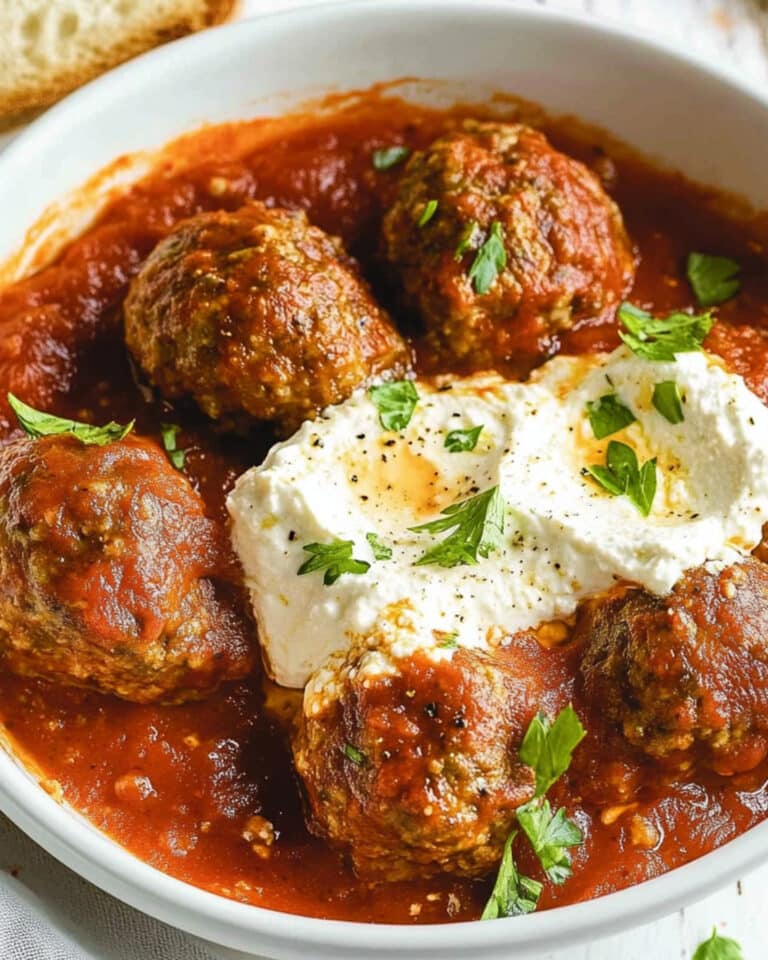
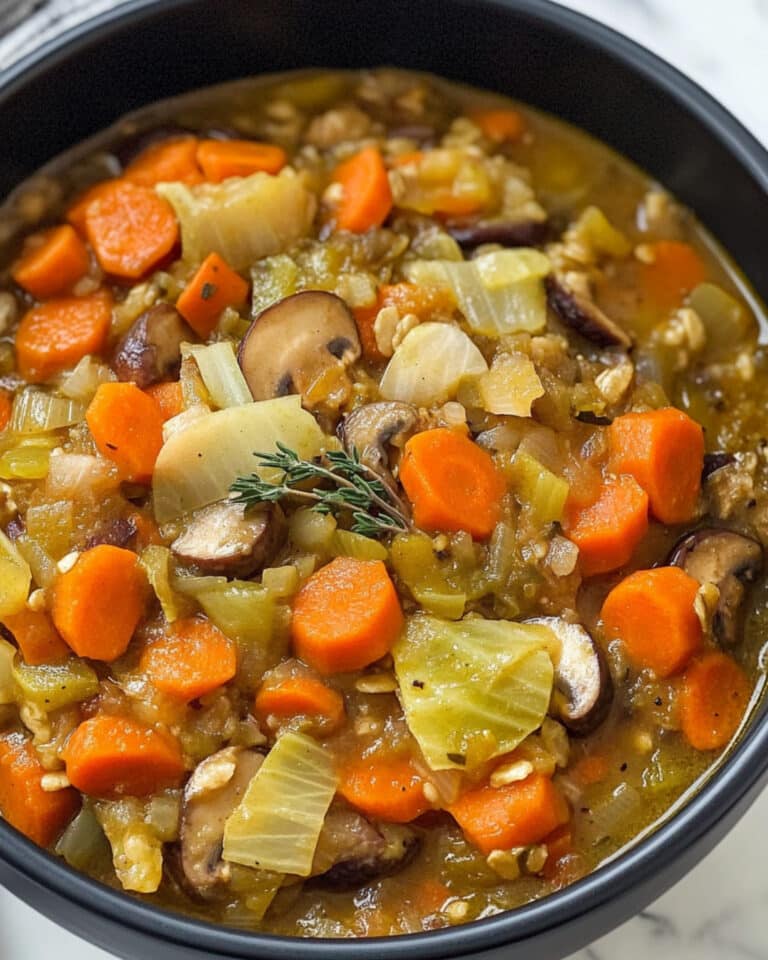
If you’re looking for a comforting yet impressive one-pot meal, you’ve got to try this Beef Eggplant Rice Pilaf Recipe. It’s like all your favorite cozy flavors got together and threw a party in my kitchen — tender beef, silky eggplant, and perfectly fragrant rice all cooked in a rich tomatoey broth. I absolutely love how this dish manages to feel both hearty and fresh, and I promise once you make it, it’ll become a favorite quick dinner that’s anything but boring.
Why You’ll Love This Recipe
- One-Pot Convenience: Everything cooks together, making cleanup a breeze and the flavors meld beautifully.
- Balanced Flavors: The richness of beef with the gentle creaminess of eggplant and bright tomato notes create a perfect harmony.
- Adaptable Ingredients: Simple pantry staples come together with some lovely fresh produce for a nutritious meal.
- Family Friendly: My crew devours this, and I bet yours will too — it’s a meal everyone can enjoy!

Ingredients You’ll Need
This Beef Eggplant Rice Pilaf Recipe shines because each ingredient pulls its weight: tender ground beef for protein, eggplant to add silky texture, aromatic basmati rice that soaks up all the flavors, and a few pantry heroes like garlic and tomato paste to build depth. When shopping, fresh eggplant and good quality olive oil make a noticeable difference.
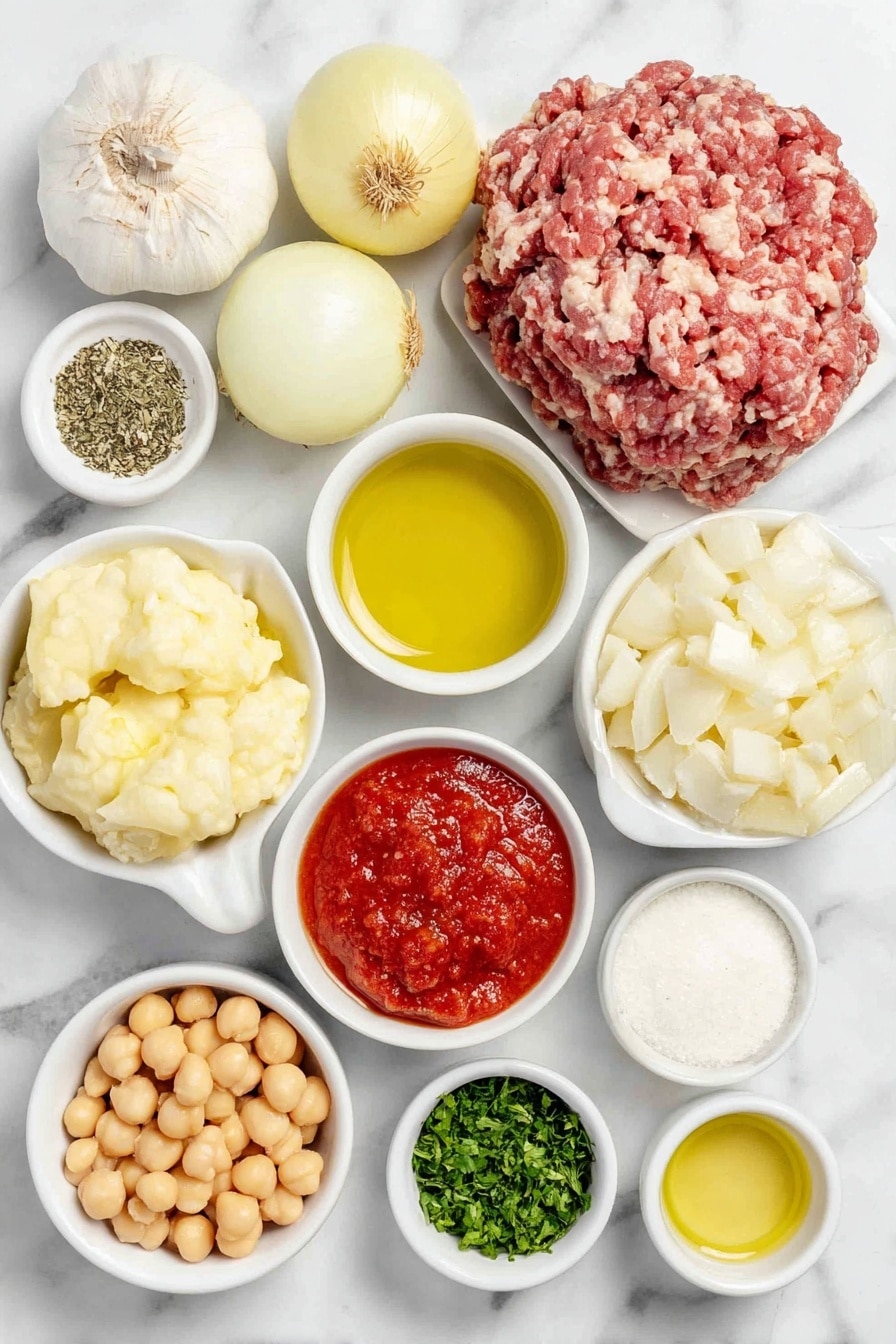
- Olive oil: Use extra virgin for the best flavor and smoothness.
- Garlic cloves: Freshly minced really brightens the dish.
- Onion: Diced small so it cooks evenly into the pilaf.
- Beef mince (ground beef): Choose good quality for rich flavor; lamb is a fun swap for a bit more Greek flair.
- Cooking salt/kosher salt: Helps season both beef and broth layers perfectly.
- Dried oregano: Classic herb that fits this Mediterranean-inspired dish wonderfully.
- Tomato paste: Don’t skip the cooking step—it adds concentrated umami.
- Eggplant: Cut into small cubes so they cook through and absorb flavors well.
- Pinot noir or dry red wine (optional): Adds body and a nice depth but feel free to skip if you prefer.
- Basmati rice: Long-grain rice with a lovely fragrance that complements the spices.
- Canned chickpeas: Adds texture and protein while making the dish heartier.
- Canned crushed tomato: Provides tang and moisture for the pilaf.
- Chicken stock/broth: Use low sodium so you can control seasoning.
- Black pepper: Freshly cracked for a mild kick.
- Parsley (optional): For a fresh, herbaceous finish at the end.
- Greek yogurt (optional): Adds a creamy contrast when serving.
Variations
I love tweaking this recipe depending on what’s in my fridge or pantry, and honestly, it’s really flexible. You should feel encouraged to make it your own — swap ingredients out, adjust seasonings, or even experiment with vegan versions if that’s your vibe.
- Protein Swaps: I often use lamb mince for a more traditional Greek feel, but chicken or turkey work well if you want a leaner dish.
- Eggplant Prep: If bitter eggplant skins worry you, I’ve found tossing the cubes in salt beforehand helps mellow that out without losing texture.
- Beans: Chickpeas are classic here, but black beans or white beans also add an awesome nutty texture.
- Wine-Free Version: Leaving out the wine doesn’t hurt flavor much; just add a splash of extra broth or a squeeze of lemon at the end for brightness.
- Spice it Up: If you like a little heat, sprinkle in some chili flakes while cooking the beef.
How to Make Beef Eggplant Rice Pilaf Recipe
Step 1: Prepare Your Ingredients and Eggplant
First things first: chop your eggplant into cubes no bigger than 1.5 cm (about half an inch). I learned this trick after initially making the pieces too big and ending up with unevenly cooked eggplant — nobody wants that! If you’re worried about bitterness, sprinkle them with a pinch of salt and leave in a colander for 30 minutes, then pat dry. Meanwhile, mince garlic and dice the onion. Having everything ready makes the cooking process smooth and stress-free.
Step 2: Sauté Aromatics and Brown the Beef
Heat olive oil in a large pot over medium-high heat. Add your diced onion and garlic, cooking for a couple of minutes until fragrant and just starting to soften. Then toss in the ground beef and break it up with your spatula as it browns. You want to cook it until you don’t see any pink left — this is a big flavor base for your pilaf. Season the meat with salt and dried oregano, then add the tomato paste and cook it for a full minute or so. Trust me, don’t shortcut this part! Cooking the tomato paste like this really amps up the umami and melts away any weird sourness.
Step 3: Add Eggplant, Wine, and Simmer
Next, stir in your eggplant cubes so they get coated in the savory beef mixture. Pour in the wine (if using) and let it come to a gentle simmer. Use your spoon to scrape up all those delicious browned bits from the bottom of the pot — that’s flavor gold right there! Let the wine mostly evaporate to avoid excess liquid while leaving behind that wonderful deep taste.
Step 4: Add Rice, Chickpeas, Tomato, and Broth
Stir in the basmati rice so every grain gets coated with the flavorful sauce. Then add the chickpeas, crushed tomato, chicken stock, salt, and black pepper. Give it a final stir, bring the mixture to a simmer, and cover the pot. I learned early on not to lift the lid too soon during this step — patience truly pays off with beautifully cooked pilaf.
Step 5: Let It Steam and Rest
Lower the heat to medium-low or low (depending on your stove’s strength) and let the rice cook undisturbed for 20 minutes. This no-peeking rule ensures that the rice steam-cooks perfectly and the flavors develop without drying out. After 20 minutes, take the pot off the heat but keep it covered — let the pilaf rest for 10 more minutes. This resting time helps the rice absorb any last bits of liquid, resulting in juicy but not mushy grains.
Step 6: Serve and Enjoy!
Fluff the pilaf gently to combine all the layers. I love drizzling a little extra virgin olive oil on top and sprinkling freshly chopped parsley for that burst of color and freshness. A dollop of Greek yogurt on the side adds a creamy tang that complements the dish perfectly. Honestly, it’s one of those meals you’ll want to make again and again.
Pro Tips for Making Beef Eggplant Rice Pilaf Recipe
- Size Your Eggplant Cubes Consistently: This ensures even cooking—too large and some pieces stay tough.
- Don’t Skip Cooking the Tomato Paste: It deepens the flavor and takes away raw, sour notes I used to dislike.
- Low and Slow for the Rice: Keeping the heat low prevents the rice from sticking or burning on the bottom.
- Resist Stirring While Cooking: Peeking or stirring disrupts steam, making the rice unevenly cooked.
How to Serve Beef Eggplant Rice Pilaf Recipe

Garnishes
I always sprinkle chopped fresh parsley on top for a pop of color and a fresh finish. A drizzle of extra virgin olive oil adds silkiness, and when I have it on hand, a spoonful of Greek yogurt is just the perfect creamy balance to the savory pilaf. You can also add a squeeze of fresh lemon juice for brightness if you want to take it up a notch.
Side Dishes
This pilaf is fantastic as a full meal on its own, but if you want to add green veggies, try a crisp cucumber and tomato salad or steamed green beans tossed with lemon and garlic. A crusty bread on the side will help scoop up every last bit of saucy goodness.
Creative Ways to Present
For a special occasion, I like to serve this pilaf in individual rustic ramekins or small earthenware bowls, garnished with edible flowers or microgreens. It immediately makes the meal feel a bit fancy while keeping it cozy. You can even layer it in a casserole dish, add some crumbled feta cheese on top, and bake briefly for a golden finish that’s irresistible.
Make Ahead and Storage
Storing Leftovers
Leftover pilaf keeps really well in an airtight container in the fridge for up to three days. I’ve found that adding a splash of water before reheating helps to loosen it up and restore that lovely juicy texture it has fresh. It’s a super handy meal prep option when you want dinner ready in minutes.
Freezing
If you want to freeze this Beef Eggplant Rice Pilaf Recipe, portion it out into freezer-safe containers once cooled completely. I’ve done this several times with great results—it reheats beautifully without getting mushy if you thaw it slowly overnight in the fridge first.
Reheating
To reheat, warm gently in a saucepan over low heat, stirring occasionally. Adding a splash of broth or water brings back the moisture wonderfully. You can also microwave it covered, but don’t forget to add a little liquid and stir halfway through to avoid drying out.
FAQs
-
Can I use brown rice instead of basmati in this Beef Eggplant Rice Pilaf Recipe?
Brown rice isn’t ideal for this recipe because it needs a longer cooking time and different liquid ratios. The pilaf might end up undercooked or mushy if you don’t adjust the method extensively. If you want to use brown rice, I recommend cooking it separately and then combining it with the beef and eggplant mixture at the end.
-
Is this recipe suitable for vegetarians?
While the traditional Beef Eggplant Rice Pilaf Recipe includes meat, you can adapt it by replacing the beef with plant-based protein like mushrooms, lentils, or extra beans. Just adjust cooking times appropriately to ensure everything is tender and flavors meld well.
-
What’s the best way to avoid bitter eggplant?
Usually, modern eggplants aren’t bitter enough to worry about, but if you want to be safe, sprinkle the chopped cubes with some salt and let them sit in a colander for about 30 minutes. This draws out any bitterness and excess moisture. Then, rinse quickly and pat dry before cooking.
-
Can I prepare parts of this recipe ahead of time?
You can brown the beef and prepare the eggplant in advance, storing them separately in the fridge for a day. When ready, combine everything and finish cooking the pilaf. This cuts down your hands-on time but still delivers fresh flavors.
-
What should I do if my pilaf is too wet or too dry?
If it’s too wet, remove the lid and cook on low heat for a few more minutes to allow excess liquid to evaporate. For dry or undercooked rice, add a little more warm broth and cover to steam for 5-10 additional minutes. Avoid stirring too much to keep rice from becoming mushy.
Final Thoughts
This Beef Eggplant Rice Pilaf Recipe has become my go-to for quick, soulful dinners that impress without fuss. I love how it combines simple ingredients into something that tastes like you spent hours slow-cooking it. If you want a dish that’s homey, flavorful, and makes the whole family happy, give this one a try — I think it might just become your new favorite too.
Print
Beef Eggplant Rice Pilaf Recipe
- Prep Time: 15 minutes
- Cook Time: 30 minutes
- Total Time: 45 minutes
- Yield: 5 servings 1x
- Category: Main Course
- Method: Stovetop
- Cuisine: Greek / Mediterranean
Description
A hearty Greek-inspired Moussaka beef and rice pilaf that combines ground beef, eggplant, aromatic herbs, and basmati rice simmered in a flavorful tomato and chicken broth mixture. This one-pot meal captures traditional Mediterranean flavors with a simple cooking technique, perfect for a comforting dinner.
Ingredients
Main Ingredients
- 2 tbsp olive oil
- 4 garlic cloves, finely minced
- 1 onion, diced
- 500g / 1 lb beef mince (or lamb mince)
- 1/2 tsp kosher salt (for beef)
- 1 1/2 tbsp dried oregano
- 2 tbsp tomato paste
- 300g / 10oz eggplant (~20cm / 8″ long), cut into 1.5cm / 3/5″ cubes
- 1/3 cup pinot noir or other dry red wine (optional)
- 1 cup basmati rice, uncooked
- 400g / 14 oz can chickpeas, drained (or other beans)
- 400g / 14 oz can crushed tomato
- 1 1/2 cups low sodium chicken stock
- 1 1/4 tsp kosher salt (for broth)
- 1/2 tsp black pepper
To Serve
- 1 tbsp parsley, finely chopped (optional)
- Extra virgin olive oil, for drizzling
- Dollop of Greek yogurt (optional)
Instructions
- Prepare Eggplant: Cut the eggplant into cubes no larger than 1.5 cm (about 1/2 inch) to ensure they cook evenly and thoroughly.
- Cook Beef Mixture: Heat olive oil in a large pot over high heat. Add diced onion and minced garlic; cook for 2 minutes until softened. Add ground beef and break it up while cooking until no pink remains. Season with 1/2 tsp salt and dried oregano, cook for one minute. Stir in tomato paste and cook for an additional minute to develop flavor deeply.
- Deglaze and Add Eggplant: Add eggplant cubes to the pot, stirring to coat them with the beef mixture and tomato paste. Pour in the wine if using, bring to a simmer, scrape any browned bits from the pot bottom, and let the wine mostly evaporate.
- Add Rice and Broth: Stir in uncooked basmati rice to coat it with the flavors. Add chickpeas, crushed tomatoes, chicken stock, 1 1/4 tsp salt, and pepper. Stir gently and bring the mixture to a simmer.
- Simmer and Steam: Once gentle bubbles appear evenly across the surface, cover the pot with a lid, reduce heat to medium-low or low, and let cook undisturbed for 20 minutes without stirring or peeking to allow the rice to absorb the liquid.
- Rest the Pilaf: Remove the pot from heat, keep the lid on, and let it rest for 10 minutes. This final steaming helps the rice finish cooking fully and soak up the remaining liquid.
- Serve: Fluff the pilaf gently with a fork to combine all ingredients without mashing. Divide into bowls, drizzle with extra virgin olive oil, sprinkle parsley on top, and serve with an optional dollop of Greek yogurt for added creaminess.
Notes
- Protein options: Lamb is a great substitute for beef for a more authentic Greek flavor. Chicken, turkey, or pork can be used but will alter the flavor slightly.
- Eggplant: The skin is usually not bitter in modern varieties; peeling is optional. To reduce bitterness, salt cubed eggplant and drain in a colander for 30 minutes, then pat dry before cooking.
- Rice: Basmati rice provides a fragrant, fluffy texture perfect for this dish. Long grain rice is also suitable. Avoid jasmine rice as it can become mushy. Not suitable for brown rice, risotto rice, wild rice, or grain substitutes like quinoa or cauliflower rice.
- Cooking tomato paste thoroughly intensifies flavor and reduces sourness, improving the overall taste.
- Leftovers keep well for up to 3 days; add a splash of water when reheating to rehydrate the rice.
Nutrition
- Serving Size: 1 serving
- Calories: 420 kcal
- Sugar: 6 g
- Sodium: 550 mg
- Fat: 15 g
- Saturated Fat: 4.5 g
- Unsaturated Fat: 10 g
- Trans Fat: 0 g
- Carbohydrates: 45 g
- Fiber: 7 g
- Protein: 28 g
- Cholesterol: 75 mg