If you’re craving a dessert that’s decadently creamy with a satisfyingly crisp top, you’re going to absolutely love this Creme Brûlée Cheesecake Recipe. I’ve made it a few times now, and I can honestly say it’s one of those recipes that impresses every single time—whether you’re serving it to family or friends or just indulging yourself on a cozy night in. Stick around because I’ll walk you through all the little tricks I’ve learned that help this cheesecake come out perfectly smooth, crack-free, and with that iconic brûlée finish that just melts in your mouth.
Why You’ll Love This Recipe
- Double Delight: This cheesecake marries the smooth creaminess of cheesecake with the luscious custard-like pastry cream and that irresistible brûléed sugar crust.
- Crack-Free Guarantee: Using a water bath and low mixing speed prevents cracks—I’ve tried it without, and trust me, this is a game changer.
- Perfectly Balanced Sweetness: The brown sugar crust and pastry cream add layers of flavor without overwhelming the creamy filling.
- Impressively Elegant: It looks like a fancy dessert you’d order at a restaurant but is easy enough to make at home with a little care.

Ingredients You’ll Need
The ingredients for this Creme Brûlée Cheesecake Recipe work in harmony to create a deliciously creamy texture and that signature crisp top. You’ll want full-fat dairy like cream cheese and sour cream to get the richness just right. Also, vanilla wafers in the crust add a subtle sweetness and crunch that pairs nicely with the smooth filling.

- Vanilla wafer crumbs: I like to crush them finely for a smooth crust that sticks well.
- Salted butter: Melted to help bind the crust perfectly; makes it rich and flavorful.
- Brown sugar: Adds depth and a touch of molasses flavor to the crust and filling.
- Cream cheese: Room temperature is key here to avoid lumps.
- All-purpose flour: Just a little stabilizes the filling without making it cakey.
- Sour cream: This adds tang and keeps the cheesecake from being too dense.
- Vanilla extract: Always use pure vanilla for the best flavor.
- Large eggs: Room temperature eggs mix more evenly into the batter.
- Egg yolks (for pastry cream): These create that silky custard layer on top.
- Sugar (for pastry cream): Sweetens the custard smoothly without graininess.
- Cornstarch: Thickens the pastry cream without lumps.
- Milk: Use whole milk for richness in the pastry cream.
- Salted butter (for pastry cream): Adds smoothness and flavor again.
- Extra sugar (for brûlée topping): Granulated sugar works best for torching.
Variations
I love how versatile this Creme Brûlée Cheesecake Recipe can be—you can easily tweak it to suit your tastes or dietary needs without losing that classic vibe.
- Chocolate Crust Variation: I swapped vanilla wafers for crushed chocolate graham crackers once, and it added a lovely twist that my family gobbled up.
- Gluten-Free Option: Use gluten-free vanilla cookies for the crust to make this dessert safe for gluten-sensitive friends.
- Flavor Infusion: Adding a splash of coffee or almond extract to the cheesecake batter gives it a subtle but delightful new dimension.
- Seasonal Fruit Topping: In summer, topping the brûlée with fresh berries before torching can brighten it up perfectly.
How to Make Creme Brûlée Cheesecake Recipe
Step 1: Prepare the Crust
First things first: preheat your oven to 325°F (163°C). Combine the vanilla wafer crumbs, melted butter, and brown sugar, then press this mixture firmly into the bottom and about an inch up the sides of a 9-inch springform pan. Baking the crust for 10 minutes helps it set and ensures it won’t get soggy, which is the last thing you want in a cheesecake! Don’t forget to line the bottom with parchment paper to easily release your masterpiece later.
Step 2: Mix the Cheesecake Filling
Lower your oven’s temperature to 300°F (148°C). This low heat along with a water bath is your secret for that smooth, crack-free texture. Beat the cream cheese, brown sugar, and flour on low speed until super smooth—this slow method reduces air bubbles that cause cracks later. Then fold in sour cream and vanilla, and add eggs one by one, mixing gently after each. Scrape down the bowl often so everything blends evenly.
Step 3: Bake in a Water Bath
Pour the filling into your prepared crust, then place the springform pan inside a larger pan. Pour warm water around it so it comes about halfway up the sides—this water bath gently steams the cheesecake, preventing cracks and giving it that silky texture I love. Bake for 1 hour and 30 minutes until the center has a subtle jiggle. Then turn off the oven and leave the door closed for 30 minutes, letting the cheesecake finish cooking slowly. After that, crack the door open for another 30 minutes to cool gradually—this is key to avoid cracking!
Step 4: Make and Add the Pastry Cream
While the cheesecake cools, make the pastry cream, which adds that luscious custard topping. Whisk the egg yolks, then heat sugar, cornstarch, and milk over medium heat until it begins to thicken. Temper the yolks carefully by slowly whisking in warm milk—this prevents scrambling. Return the mixture to the heat and boil gently for one minute, then stir in butter and vanilla until glossy and smooth. When the cheesecake is out of the oven, spread this warm pastry cream evenly on top. Cover with plastic wrap, making sure it touches the cream to stop a skin forming.
Step 5: Chill and Finish the Brûlée
Remove the foil and pop your cheesecake in the fridge for at least 5-6 hours, or overnight if you can wait (I don’t blame you if you can’t!). Right before serving, sprinkle granulated sugar on top and use a kitchen torch to caramelize it. Watching that sugar bubble and harden into a crisp layer is seriously satisfying—and the taste is even better. No torch? You can broil briefly in your oven, but keep a close eye!
Pro Tips for Making Creme Brûlée Cheesecake Recipe
- Use Room Temperature Ingredients: I learned early that cold cream cheese or eggs create lumps and inconsistent texture, so always let them come to room temp first.
- Gentle Mixing: Mix on low speed and scrape often to reduce air bubbles that cause cracks while baking.
- Water Bath Wrap: Wrapping the springform pan sides with foil prevents water leakage during baking—a simple step that preserved my cheesecake’s texture every time.
- Slow Cooling: Gradually cooling the cheesecake in the oven with the door cracked helps avoid that dreaded cracking that can ruin the look.
How to Serve Creme Brûlée Cheesecake Recipe

Garnishes
I keep garnishes simple to let the cheesecake shine—fresh berries like raspberries or blackberries add a pop of color and a touch of tartness that contrasts perfectly with the creamy sweetness. A few mint leaves can also brighten the plate and aroma. If I’m feeling extra fancy, I sometimes dust with a tiny sprinkle of cinnamon to deepen the flavor dimension.
Side Dishes
This cheesecake pairs beautifully with a cup of rich espresso or a glass of dessert wine like Sauternes. For gatherings, I like to serve it alongside fresh whipped cream or a light sorbet to refresh the palate between bites—especially if the cheesecake is served chilled from the fridge.
Creative Ways to Present
One time, for a birthday, I made mini individual cheesecakes using ramekins—each one topped with the caramelized sugar crust and a single fresh strawberry. They looked so elegant and made serving a breeze. For holidays, I’ve also tried swirling caramel or berry sauces artistically on the plate for that wow factor. Using edible flowers is another fun way to impress guests without extra effort.
Make Ahead and Storage
Storing Leftovers
I store leftovers tightly covered in the fridge, usually with plastic wrap touching the surface of the pastry cream to prevent skin formation. This cheesecake keeps beautifully for up to 4-5 days, and honestly, it tastes even better the next day once flavors meld even more.
Freezing
Freezing isn’t my favorite with this cheesecake because the texture of the brûlée topping can change, but if you must, I recommend freezing un-torched cheesecake tightly wrapped in plastic wrap and foil. Thaw overnight in the fridge and add the sugar topping and brûlée with a torch just before serving.
Reheating
Since cheesecake is best enjoyed chilled, reheating isn’t usually needed, but if you want to soften it slightly, let it sit at room temperature for 20 minutes before slicing. If the top isn’t crispy anymore, you can quickly torch the sugar topping again for that satisfying crunch.
FAQs
-
Can I make this Creme Brûlée Cheesecake Recipe without a water bath?
While you technically can, I highly recommend the water bath because it gently regulates heat and moisture, resulting in a creamy, crack-free cheesecake. Skipping it often leads to cracks and a denser texture—something I personally tried and didn’t love.
-
What if I don’t have a kitchen torch for caramelizing the sugar?
No worries! You can place the cheesecake under a very hot broiler for just a minute or two, keeping a close eye so the sugar doesn’t burn. It won’t be quite as precise as a torch, but it still creates a lovely caramelized top.
-
How do I prevent cracks from forming on the cheesecake?
Mix ingredients on low speed to reduce air bubbles, bake in a water bath to maintain moisture, and cool the cheesecake gradually—first with the oven door closed, then cracked open. These tricks together helped me get a consistently smooth cheesecake every time.
-
Can I prepare this cheesecake in advance?
Absolutely! In fact, it tastes better the next day after chilling overnight, which allows the flavors to meld and the texture to fully set. Just make sure to add the brûlée sugar topping just before serving.
Final Thoughts
This Creme Brûlée Cheesecake Recipe holds a special place in my heart because it combines two classic favorites into one unforgettable dessert. Each time I make it, I find myself savoring the delicate layers and that satisfying contrast between creamy filling and crisp caramelized sugar topping. I really hope you give this recipe a try—you’ll enjoy the process and the smile it brings to everyone around the table. Trust me, once you master it, this will become your go-to dessert for any special occasion or when you just want to treat yourself.
Print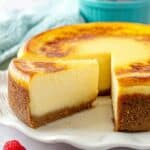
Creme Brûlée Cheesecake Recipe
- Prep Time: 1 hour 30 minutes
- Cook Time: 2 hours 30 minutes
- Total Time: 4 hours
- Yield: 12–14 slices 1x
- Category: Dessert
- Method: Baking
- Cuisine: French-American
Description
This Creme Brûlée Cheesecake combines the creamy richness of classic cheesecake with the smooth custard topping of pastry cream and a caramelized sugar crust, inspired by the beloved French dessert crème brûlée. A decadent crust made from vanilla wafer crumbs provides the perfect base, while a delicate water bath baking technique ensures a silky, crack-free cheesecake. The final torching of sugar on top adds a delightful crisp texture and caramel flavor that balances the creamy layers perfectly.
Ingredients
Crust:
- 2 1/4 cups (302g) vanilla wafer crumbs
- 1/2 cup (112g) salted butter, melted
- 3 tbsp (39g) brown sugar
Cheesecake Filling:
- 24 ounces (678g) cream cheese, room temperature
- 1 cup (225g) packed light brown sugar
- 3 tbsp (24g) all purpose flour
- 1 cup (230g) sour cream
- 1 1/2 tbsp vanilla extract
- 4 large eggs, room temperature
Pastry Cream:
- 2 egg yolks
- 6 tbsp (78g) sugar
- 1 1/2 tbsp cornstarch
- 1 cup (240ml) milk
- 1 tbsp (14g) salted butter
- 1 tsp vanilla extract
Additional:
- 2–3 tbsp sugar (for caramelizing)
Instructions
- Prepare the Crust: Preheat oven to 325°F (163°C). Line a 9-inch springform pan with parchment paper at the bottom and grease the sides. In a small bowl, combine vanilla wafer crumbs, melted butter, and brown sugar. Press this mixture firmly into the bottom and up the sides of the springform pan. Bake for 10 minutes, then remove and set aside to cool. Wrap the outside of the pan with aluminum foil to prevent water from entering during the water bath process.
- Make the Cheesecake Filling: Reduce oven temperature to 300°F (148°C). In a large mixing bowl, beat the cream cheese, brown sugar, and all-purpose flour on low speed until smooth and well combined, ensuring minimal air incorporation to prevent cracks. Scrape down the bowl sides. Add sour cream and vanilla extract; mix until combined. Add eggs one at a time, mixing slowly after each addition and scraping bowl sides as needed. Pour the batter into the prepared crust.
- Bake in a Water Bath: Place the springform pan inside a larger pan and fill the outer pan with warm water halfway up the springform sides without letting water get above the foil wrapping. Bake for 1 hour and 30 minutes. The center should be set yet slightly jiggly. Turn off the oven and keep the door closed for 30 minutes, then crack it open and allow the cheesecake to cool for another 30 minutes to help prevent cracking.
- Prepare the Pastry Cream: Beat egg yolks gently in a medium bowl. In a saucepan, whisk together sugar, cornstarch, and milk until smooth. Cook over medium heat, stirring continuously, until the mixture begins to thicken and simmer—avoid boiling. Temper the egg yolks by whisking in about 1/4 cup of the hot milk mixture slowly to prevent curdling, then pour the tempered eggs back into the saucepan. Bring to a light boil, stirring constantly for 1 minute. Remove from heat, stir in butter and vanilla until melted and smooth.
- Frost the Cheesecake: When cheesecake has finished baking and cooling in the oven, spread the pastry cream evenly over the top. Cover with plastic wrap directly touching the pastry cream to prevent a skin from forming. Remove the outer foil and water bath wraps, then refrigerate the cheesecake for 5-6 hours or overnight until fully set.
- Caramelize the Top: Before serving, remove cheesecake from springform pan and place on a serving dish. Sprinkle 2–3 tablespoons of sugar evenly over the top. Use a butane kitchen torch to caramelize the sugar until it forms a crisp, golden-brown crust reminiscent of classic crème brûlée.
Notes
- Using room temperature cream cheese and eggs helps achieve a smooth filling with fewer lumps.
- Be sure to wrap the springform pan tightly with foil to prevent water from seeping into the crust during the water bath baking.
- Slow and gentle mixing minimizes air in the batter, which reduces cracking during baking.
- The water bath ensures even baking and prevents the cheesecake from drying out.
- Caramelize sugar just before serving to maintain the crisp texture of the brûlée topping.
- Leftover cheesecake should be stored refrigerated and consumed within 3-4 days.
Nutrition
- Serving Size: 1 slice (approx. 1/14th of cheesecake)
- Calories: 460
- Sugar: 32g
- Sodium: 220mg
- Fat: 30g
- Saturated Fat: 18g
- Unsaturated Fat: 10g
- Trans Fat: 0g
- Carbohydrates: 38g
- Fiber: 1g
- Protein: 7g
- Cholesterol: 145mg